Monday, August 10, 2015

What Color Should You Paint Your Current or Future House?


The most popular colors for homes in tropical environments include vivid reds, muted blues, gray-toned greens, and bright yellows. Painting with green paints that are lower in gas emissions are also trending because they are helpful to the environment. 

Experts offer several suggestions about the best way to choose the right color for new and existing homes. Depending on whether you are trying to blend in with the neighbors should be one of the things that drive the color selection.

Community fit

People who live near other homes or those who are planning to build in a close-knit community might want to consider colors that are muted to help integrate their home in a seamless manner. Choosing colors that are bright or those that do not work well with the surrounding home colors will make the home stand out in an unattractive way.

It can also cause problems with homeowners associations (if any) and the atmosphere of the community because it makes the owners seem like they are not team players. Bold colors can always be toned down with grays and whites to give the color choice the owner wants while still fitting into the neighborhood.

colours for Houses in ghana

Heat reduction
Keeping the heat from the sun from raising the temperature on the inside of a home is vital in warm, humid climates like those in tropical areas. You can easily find companies in your local market that offer customers a variety of colors in environmentally-friendly paints.

There are many benefits of using this type of paint for a home including reducing allergens if used indoors. Many of the green paint options come in lighter colors like ecru, coastal blue, and pineapple yellow that help reflect sunlight to keep the interior of homes cooler in warm temperatures.
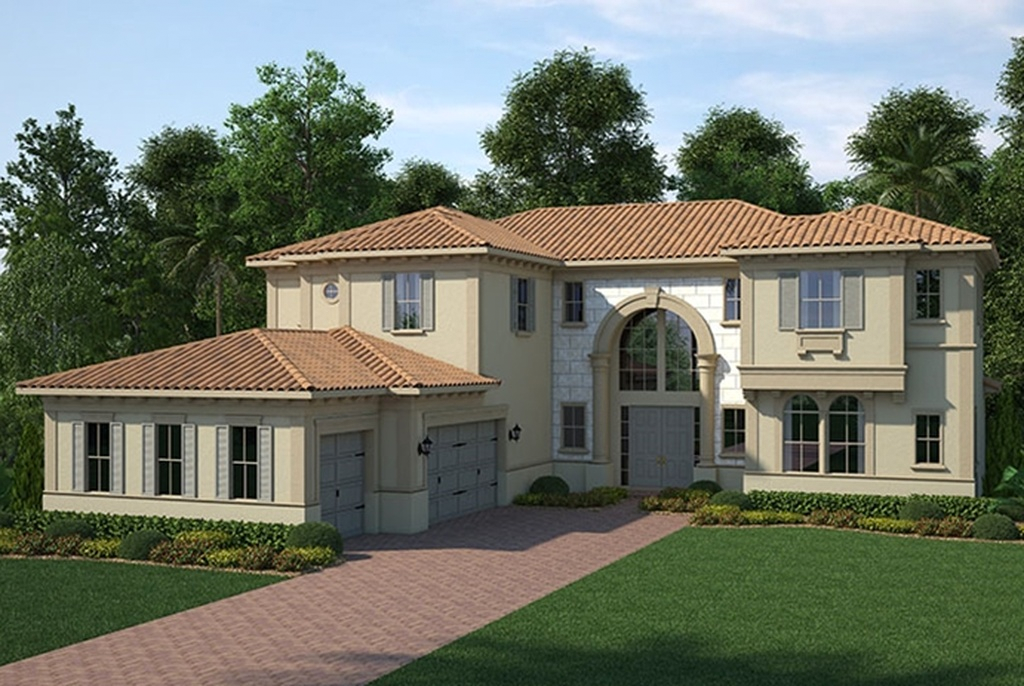
heat reducing colours for Houses in ghana

Newest color trends

Shades of greens and blues are timeless choices that will fit in for years to come. Guacamole, mint green, moss, robin's egg blue, cobalt, and periwinkle are favorite exterior paint choices. For those wanting something a little bolder, reds in watermelon, passion fruit, geranium, and berry are attractive selections. Yellows in goldenrod, daffodil, and sunflower work well for interiors and exteriors.

colour styles for Houses

Any of the colors mentioned above is easily lightened to give homeowners the right shade for their home. Experts suggest that people who are not planning to paint for several years and those who are trying to fit into the neighborhood should consider shades of white, tan, blue, and green because these colors often fit into several color palettes. These colors are often chosen because they fit into any style or season.

Choosing the right color should reflect the needs of the family including environmentally safe options and heat-reducing tones. Bright pops of color on the trim, shutters, doors, and outdoor furniture can give homeowners the bold statements they prefer without raising the electric bill because the air conditioner is running on maximum all summer long.

Wednesday, June 3, 2015

Buying a House in Ghana? 5 Legal Processes You Should Know


Owning a home is one of the greatest achievements in life, and it is a dream comes true for many people. If you are planning to own a property in Ghana, take the necessary precautions to avoid finding yourself in a string of never-ending disputes and possible court battles. To help you, follow these simple 5 legal processes whenever you want to acquire a home or any other real estate property in Ghana.

1. Inspect the property

Conducting an inspection helps to determine whether the property is suitable for the purpose that you intend to purchase it for or not. For instance, a home is a residential property that can be occupied by the owner, sold, or rented to other occupants for revenue generation.

2. Prove ownership of property

In Ghana, it is common to find unauthorized persons--who have no rights to ownership--selling properties. Other times, a property is sold to several buyers, something that can run you into legal problems, especially if you are the owner. Having your property checked and cleared by the land registry office in Ghana, therefore, saves you from unnecessary disputes.
A real estate lawyer should review the title and have it cleared. This process may take longer if you have not presented all the necessary documents required for the search. A buyer may also need to conduct a property search at Traditional Council and law court to find out if there might be disputes pending over the land or property.

3. Transfer of title

The piece of land, where your prospective home sits on, should have a title of ownership. Transfer of title can be a complex process that needs someone who understands the basis of title transfers, and only a rightful owner of a home and its land can authorize the transfer of the property. Your name has to be captured properly as the buyer so that it does not raise issues in the future. Conflicting names indicated in the title transfer could create problems, and you may not be able to sell the property if you so wish.

4. Obtain the necessary permits

Acquiring permits in Ghana can be a complicated process, especially for the first-time home-buyers. This is because, there are laid down regulations and laws governing the obtaining of permits in any home buying deal. Nevertheless, obtaining permits protects you from fines and possibly demolition of your property. Such problems can occur if, for instance, you later discovered that you did not follow due process in obtaining all the necessary permits including inspections. A proof of compliance is needed, and inspectors will ask for permits when they visit your premises.

5. Registration of the title

Land properties should have titles registered at the Ghana Lands Commission Secretariat. The registration may take some time; however, if you have all the necessary documents, it helps prevent further delays. To register a property shows that you have complied with the property transfer guidelines and regulations. This is one way to protect your investment.
Unless a registration has been done, the property's search at the Deeds Registry or Lands Commission continues indicating that the vendor is still the rightful owner. To read otherwise, you will have to pay fees to cater for all property acquisition process.

There may be no restrictions on buying and owning land in Ghana; however, there are different categories of land, some of which may not be privately owned. A number of legal processes exist to help address the issues involved in property ownership and protect both the seller and buyer. Therefore, before you sign any home buying document or pay for a home, you may want to seek the help of a real estate property lawyer to help get every detail correct and handle the process within the law.

Monday, May 11, 2015

Discover Why it's So Important to Get a Building Permit


There are many reasons why you should obtain a building permit and required inspection for your construction project.

Obtaining building permits in Ghana is not easy. However, building permits are very important. Undertaking construction without a permit can result in fines to the property owner. In addition to fines, building inspectors will want to ensure that proper procedures were followed when constructing the building. The inspectors will inspect the building and order changes if necessary. Fixing permit violations in addition to the fines can be very expensive.

Building Permit Increases Property Value

One of the main reasons for obtaining permits before construction is for insurance and real estate value. Building that does not have a permit is non-existent in the eyes of insurance firms and banks.
If you construct a building without a permit, insurance firms will not cover the building. In addition, you will not be able to sell the house for as much as you would be able to had you obtained the permit. Property insurers will not cover work or damages caused by construction projects that lack proper permits.

Building Permit Makes Selling Property Easier

When selling property in Ghana through multiple listing associations, the owner is required to provide details about the property including improvements and repairs made and whether building permits and inspections were obtained.
Banks and other financial institutions will not finance a building purchase that lacks proper permits. If you decide to buy a building in Ghana that lacks proper permits, you may be required to obtain new permits, which may be quite expensive.

Building Permit Improves safety

Building permits allow building inspectors and construction project managers to reduce the risk of unsafe construction to provide for safety, public health and welfare. By obtaining building permits, your completed project will meet required standards for the safety of your family, friends and any other occupant. Building permits complement the contractor’s experience and act as a system of checks and balances that helps create safer projects.

It is financially sound to obtain a building permit as required by law. Your home or business building is your investment. If your construction project does not have a permit, the value of your investment is reduced significantly.

Friday, May 8, 2015

Are You Looking for a Home Construction Loan in Ghana? 6 Simple Steps to Follow


Owning a property is probably the greatest investment that you can make in life. Besides the fact that the real estate increase in value with time, it is also a very safe way to invest your money as you can always and easily track the value of your property in the market. Now, if you are looking to build a property, update or renovate it, or you just want to add some eco-friendly features to your home, there are high odds that you will not have all the cash that you need for the project upfront. And since home construction can be expensive, a construction loan is a great way to get the money you need for the project. So, what are the steps to getting a home construction loan in Ghana? Find out below!

Step 1: Figure out how much money you need

The amount of money that you need for the project will be determined by whether you are constructing a new home, remodeling the existing one or you just want to add some green features to your property. Regardless of the type of the project you want to undertake, you will need to get a cost estimate from your contractor.

As a prospective borrower in Ghana, knowing the amount of money you will need for the project will help you in deciding the type of loan that is best for your situation.

Step 2: Choosing the proper lender for your construction loan

You now know the amount of money you need for your project. The next step is to choose the bank or company that will handle your loan. Currently, lending rates in Ghana are extremely high, but there are banking institutions that offer better rates, such as HFC Bank Ghana, eco-bank transnational and eco-bank Ghana.

Step 3: Collect the required documents

Some of the important documents that you may require when applying for home construction loan include:
  • Two proof-of-address forms
  • Two forms of personal identification
  • Credit reports
  • Proof of income
  • Recent banking statements among others
Step 4: Signing the agreement

Before signing a loan agreement, make sure that you are familiar with the terms and conditions as provided in the contract. You should be aware of each and every item included in the agreement, such as the payment dates, loan amount, and transaction fees among others.

Step 5: Sending in your application
You can submit your application through an online platform, or you elect to take them in person to your lender.

Step 6: Waiting for disbursement of money

The approval for your loan could come in faster or take few days, depending on your lender.

Following the above steps will greatly ease the process of getting a home construction loan in Ghana.

Wednesday, May 6, 2015

Electricity Outages In Ghana: Causes, Effects & Solutions

Image Source: wikipedia

Ghana has for several years been experiencing massive power blackouts popularly nicknamed 'dumsor,' which means on & off in one of the local dialects. Although intermittent power is common in most developing African countries, the energy situation in Ghana is already spiraling out of control. Some areas lack electricity for hours on end; others receive multiple power cuts (about five) each day. Sometimes, the blackouts last for extended periods, some lasting longer than 24 hours.

If the current trend is anything to go by, soon Ghana will be wallowing in pitch darkness.

Causes of power outages in Ghana

According to the Electricity Company of Ghana (ECG), most of the power outages should be blamed on inadequate supply of gas from Nigeria. The government has maintained that the current supply is unstable and they can only supply what they get.

On the national front, the government maintains they are doing everything they can and that various projects currently underway will ease the situation by the end of the year. For most Ghanaians though, these are just empty promises that they have heard too many times before.

Peering closer into the energy situation in Ghana, it's clear to see that the sector is marred by lack of direction, mismanagement of resources and a narrow conservative mindset that does not auger well with the energy needs of the 21st Century.

Effects of the power cuts

In the last few weeks, thousands of Ghanaians have taken to demonstrating in the streets to show their displeasure at the power outages. Some of these protests have been violent.

In the deeper context of the matter, the consequences of the power outages are vast. Business owners are no longer attaining the production levels they desire, their profits have dwindled and thousands of people have lost their jobs.

The industrial sector, with its massive energy needs, has been the worst hit. Manufacturers are cutting losses and investors are withdrawing. The economy is ailing and the weakening national currency is portraying that all too well.

Way Forward

1) The country should stop over reliance on Nigeria for its gas supplies. At the minimum, it should store enough gas reserves for contingencies.

2) The country should exploit alternative energy solutions such as wind energy and solar energy.

3) Ghana should privatize the energy sector. This will de-monopolize the industry and allow competition from private companies. Doing so will increase energy supplies, improve on quality and reduce costs in the long run.

Most importantly, president Mahama's government should wake up to the realization that the energy sector is the lifeline of any economy, especially that of an emerging nation.

Sunday, March 1, 2015

Do You Have What It Takes to Build A Home Like A True Expert?


Let's build a home. Follow along with these instructions and you will be living in your new home in no time. The first step in any successful project is planning. Before you start building, weigh out your options for location carefully even if you already have land. The worst thing is to build a home in an area where you won't enjoy living. There are several factors to look into when selecting a location:
  • Price of land
  • Neighborhood
  • Utility Availability
  • Road
  • Traffic
  • Schools
Once you have found the right location, discuss options and select your house plan or draw up a custom house plan. Hire a professional to save time, hassle and money down the road. Communication is the key here. Make sure the architects know exactly what you want, but also listen to the advice they give you.

Begin a budget. This is a temporary budget at this point. As you go along, you will finalize this budget. Expenses such as permits, insurance and material costs will have to be figured out. The best way of figuring out actual cost of your project is to get a Bill of Quantity and Material Schedule from your local professional quantity surveyors.

Every fun project has some unwanted steps. Here come the unwanted steps of gathering permits. No matter the location, there are likely building permits that will need to be obtained. Always discuss local laws and regulations with your contractors and city officials.

You are now ready to break ground. After the site is excavated, you can begin your foundation. First you will need lay out the concrete foundation to build upon. Building lines will need to be set up to square up and level the foundation.

Now you need some walls, begin walling after the foundation. Your material schedule (if you have one) should tell you how many blocks or bricks you will need to complete the walls. Be sure the block or brick laying job is done well and are secured properly. Marks for roof trusses can now be placed in the correct locations. Sub-facia board must be nailed to connect ends of rafters. You will need to install a good moisture barrier to protect against the Ghana weather. Finish up your exterior by installing doors, windows and your final roof. Install whichever type of floor you have chosen.

Now it is time to head inside your new home. Here you will be installing things like pipes, electrical wires and insulation. This is where you can save some money by doing inside work yourself. After the professionals do the bulk of the wiring, walling and piping, you can begin work on the necessities.

Installing a bathtub, for instance, is something that can be done by a homeowner. It may also be cheaper to purchase or import fixtures and some materials yourself. Woodwork like cabinets and shelving can be done or contracted out, depending on your know-how. Choose appliances that are energy saving to help keep living costs down.

Paint your new house. Consult with your local painting professional to determine the appropriate exterior and interior paint will you will need. Get professional estimate to determine if you need to contract out the painting job or to do it yourself. Now you are done and ready to move in.

Remember, the first step in building the home of your dream is to purchase a home plan from Ghana House Plans. We can discuss your wants and needs, then supply you with affordable choices and plans. Talk with one of our experts today.

Saturday, February 21, 2015

Home Construction on A Budget: 10 Tips From The Professionals


Looking to build a new home or maybe even renovate your current home? That is great, but before you rush right into your new project, there are some things you will need to know to save some money.
  1. DIY (Do It Yourself) Okay, so not everybody is a wiz with tools or can rebuild a staircase by hand. The things you can do can still save you quite a bit of money.
  2. Go Over Plans Line by Line In the beginning, your contractor should discuss the build plans with you thoroughly. During this early planning, make sure to go over everything in fine detail. Be sure to ask questions about things you are unsure about.
  3. Budget in Extra Money Some projects can be most expensive than at first thought. If these issues arise and you do not have some sort of buffer in place, you will only be hurting yourself.
  4. Get Your Own Materials In many cases, it may be cheaper for you to purchase the materials needed than it would be to go through your contractor. You cannot buy all materials yourself, but things like blocks, cements, roofing sheets, tiles, and counter tops may be cheaper from a major home improvement store.
  5. Reclaimed Materials While you are looking for good prices on building materials, keep an eye out for reclaimed materials. Habitat for Humanity ReStore for example, is a great place to check for commonly reclaimed building materials.
  6. Finalize Your Home Plan The first step in planning a building project is the planning stages. After all of the time and work you put into this planning, don't make last minute changes.
  7. Hire a Licensed Contractor When you hire a licensed contractor, you are ensuring quality work. This will avoid having to redo the work yourself, or hire another contractor.
  8. Put Off What You Can You may want to get everything done all at once, but there are plenty of things that can be put off until after the main construction.
  9. Green Makes Sense Go Green! It is not just a recent fad, but a great way to save money. Try new Energy Star appliances or ask your contractor about structural changes to help save energy.
  10. Build Off Season Raining season is a slow time of year for contractors and builders. Start shopping around during raining seasons for lower estimates and start your project off raining season.
For a House Plan to help you plan and know exactly how your home will look like, how much it will cost, browse our huge assortments of House Plans here and let us know of your selections.
 

Dont Miss Out On Updates, New House Plans & New Articles
Stay up to date! Simply fill out the forms below and we will notify you as soon as new House Plans become available, plus receive Ghana Homes house building insightful articles in your inbox.


About Ghana Homes

Ghana Homes provides luxury high-quality properties in Ghana . We offer state-of-the-art living conditions reflective of the rapid advancements in technology and a growing need for quality housing for both low and high income families. Our group is dedicated to a hassle free living environment in which our client can enjoy all of the benefits of a safe, attractive, and inviting property.

Other areas of service:

  • Architectural Services:
    • Ghana Residential Homes
    • Ghana Commercial Properties
  • Ghana Land Acquisition
  • Property Resale
  • Real Estates Law
  • All forms of real estates transaction in Ghana

Copyright © 2012 - GhanaHomesForSale.com - All rights reserved.